Making the Journey Hold Together
Swamp borders gain their own encounters and rewards, landscapes grow richer, and work on underground spaces, movement and save continuity brings the journey together.
18 October 2026 · The Epos of Ashes Team · 11 min read
Cover: In-engine · WIP · 18 October
An island becomes an adventure through the small things that connect it. A reward should still be yours after loading a save. A traveller should resume the journey after resting. A cave should let you explore, gather something worth carrying home and return to the world outside.
Since our last development update, we have been working through those connections. There is now more concrete evidence behind individual parts of the journey, alongside substantial changes to the interface and underground spaces. Here is what has moved forward, and what still needs to be seen and played together.
A new edge to the familiar island
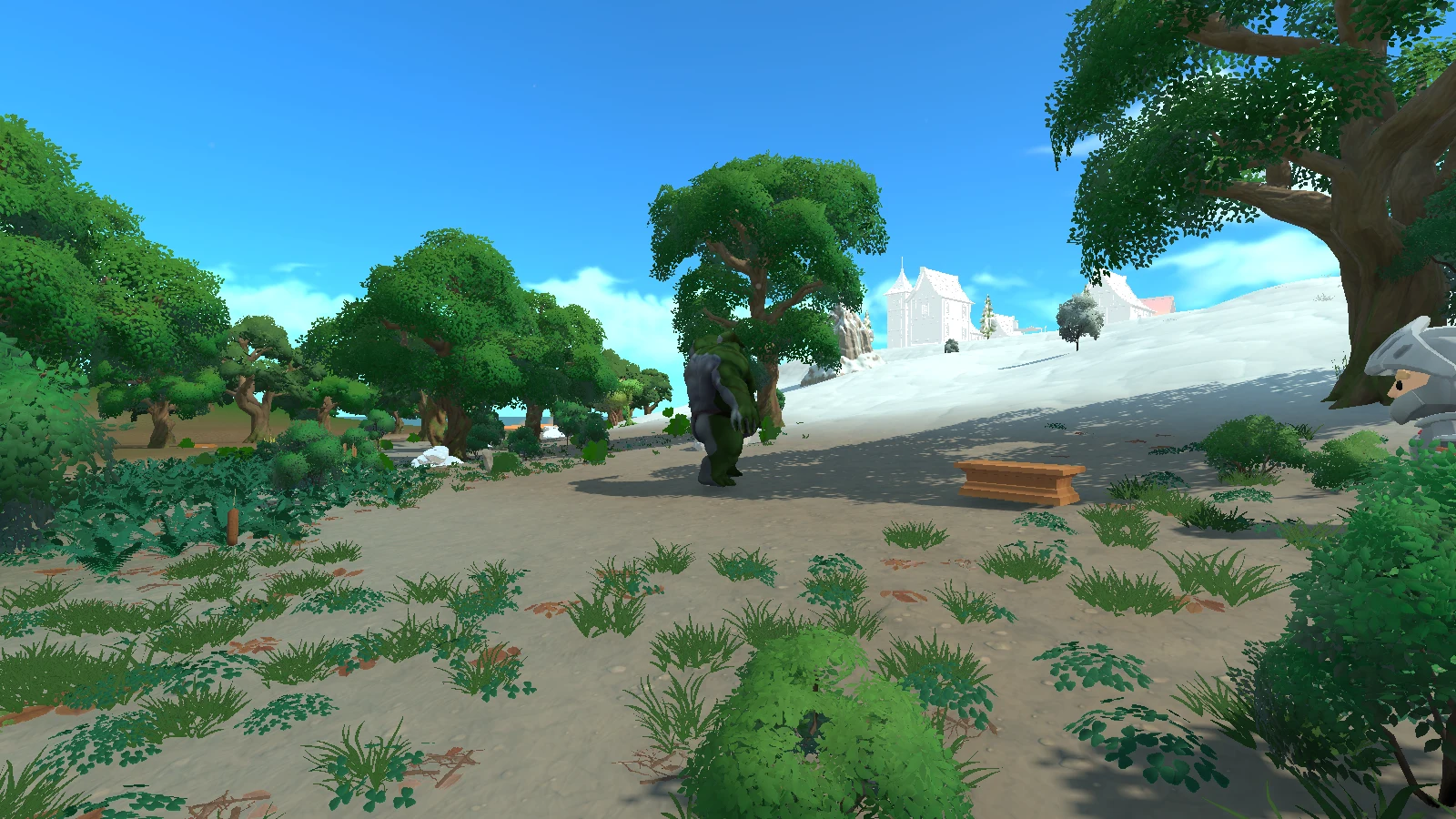
The island has gained swamp transitions along the summer forest's borders with winter and desert. These are interrupted stretches of suitable low, flat ground, rather than a fourth primary biome replacing the existing three. Swamp trees, young growth, reeds, ferns, mossy stones, mushrooms and fallen branches give those borders their own character. They use the existing harvesting, streaming and regrowth systems. No new pools or swimming zones were added for this package.
There is gameplay here too. Moorhetzer and Schlammkriecher nests use the regular encounter, population-budget, loot and saved-respawn rules. The three checked seeds place two or three nests, with both species represented, and a clearing for the optional Wurzelhüter. Suitable ground remains a condition; this is not a promise that every seed contains the same arrangement.
An offering wakes the Wurzelhüter. Its three phases lead to a one-time reward, including materials and a learned blueprint for the Moorläufer cloak. A second recipe turns swamp resources into a healing poultice. The boss is outside the ember-stone progression. Its unique loot persists until collected, and the checked reload sequence does not generate another boss or another reward.
The technical package has passed planning and landscape checks across three seeds, plus a focused gameplay sequence on the main bootstrap: enemy streaming, plant gathering, offering, all three boss phases, defeat, loot restoration, blueprint learning, crafting, healing and two save/load rounds. That sequence deliberately sets up travel, damage and some crafting ingredients. It demonstrates those transactions, not a naturally played approach or a balanced boss fight. Human review of appearance, combat, balance and streaming on target hardware remains open. Dedicated swamp characters and story are later work.
These additions are versioned in newly generated world recipes. Existing worlds without the relevant pins retain their previous placement; loading an old save does not silently insert nests and boss clearings.
Giving the landscape more shape
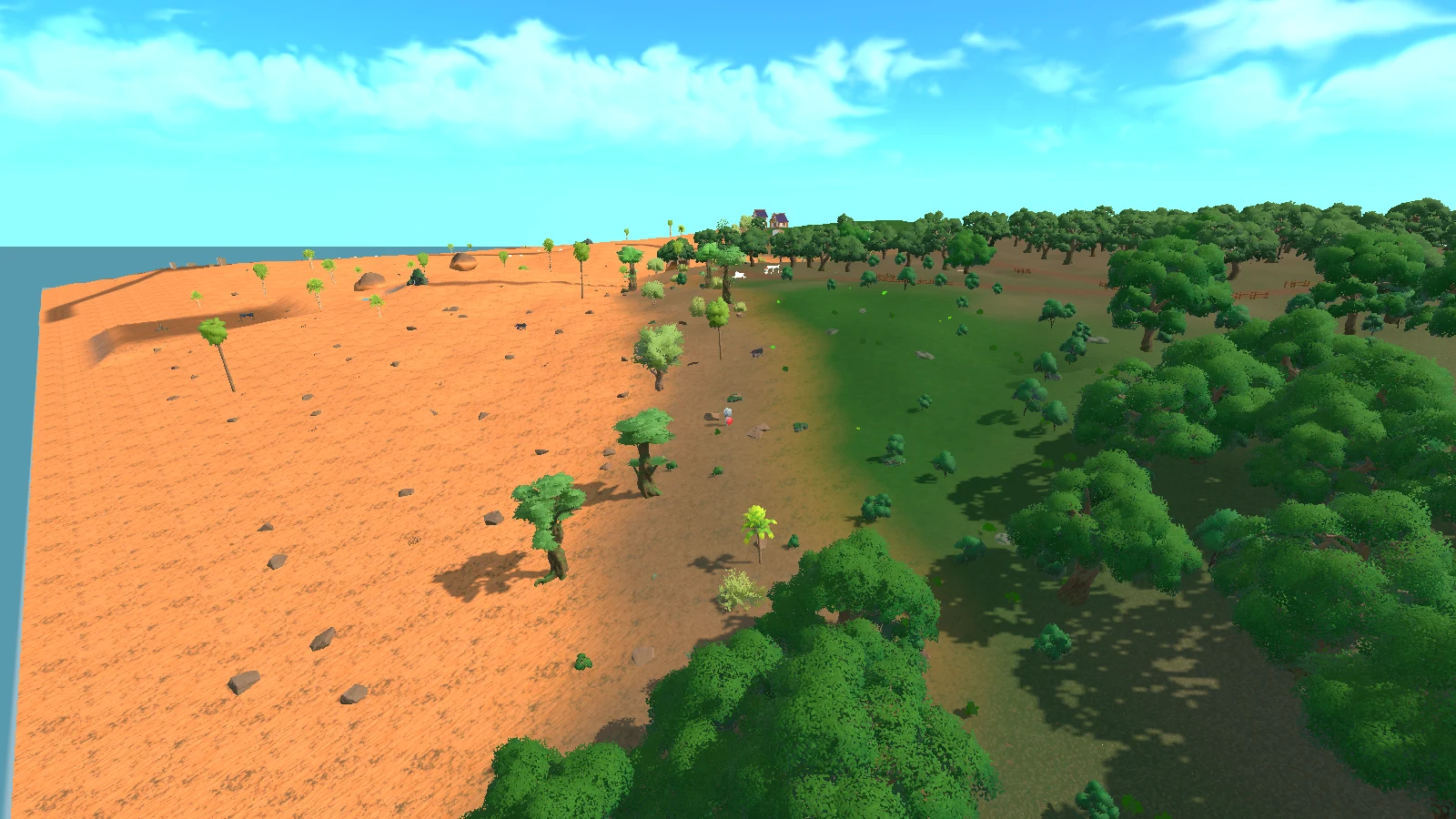
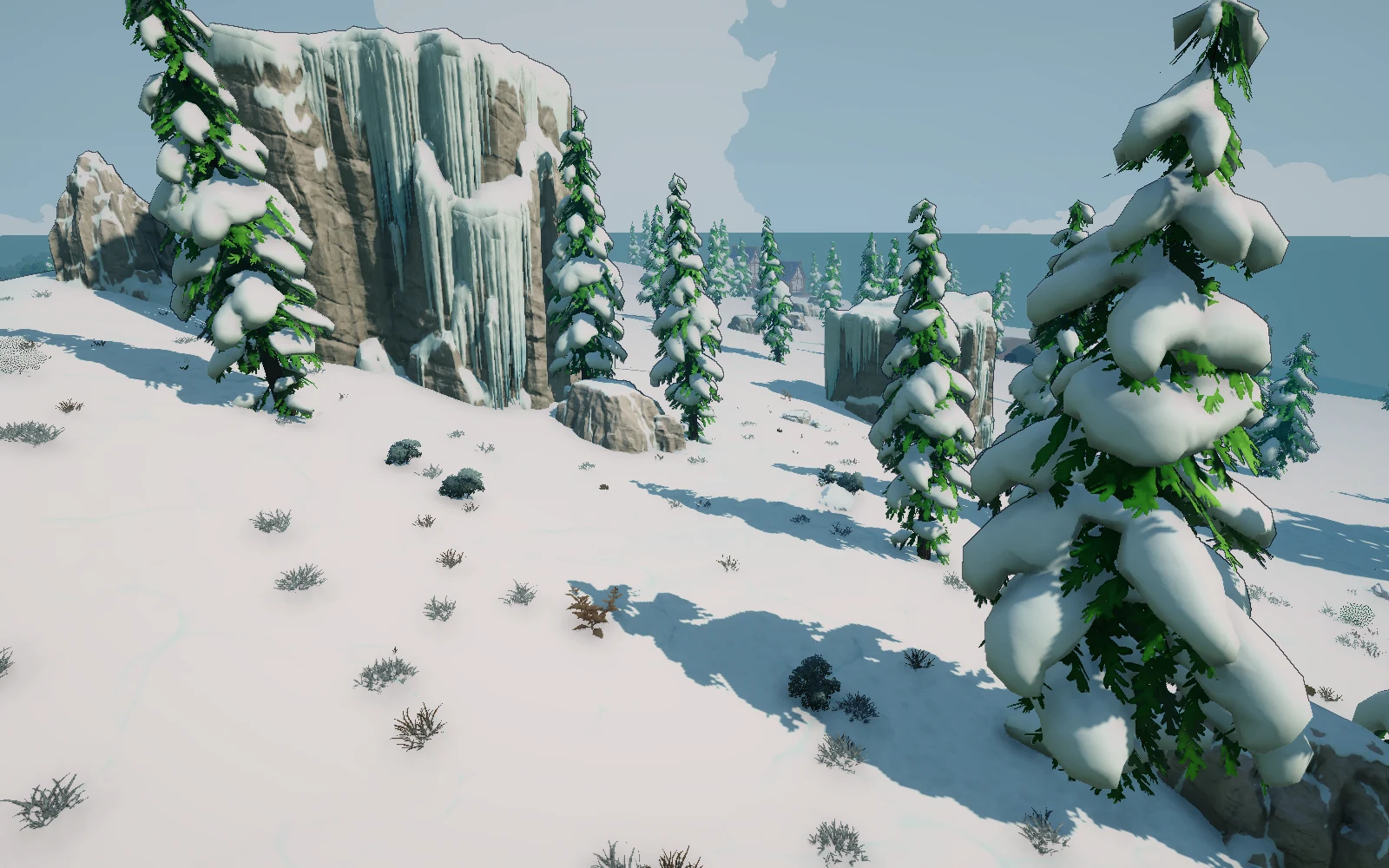
A separate environment package adds 52 population definitions across winter, summer and desert: mature tree groups, young growth, undergrowth, rock formations, deadwood and shoreline details, with region-specific choices. Snow remains mostly clear of blanket greenery; desert dressing keeps open, dry spaces. Habitat, slope, height and reserved places determine the groups rather than multiplying everything evenly. Tree and shrub proportions, ground-cover wind and selected distant-window silhouettes received corrections too.
Three-seed checks cover placement and legacy-world preservation. A main-world bootstrap check preserves all 2,295 added placement identities through save/load. A controlled standalone comparison on an RTX 5070 Ti at 1080p, medium settings, measured route p95 frame time at 7.85 ms without the additions and 10.05 ms with them. Streaming p95 remained within its budget, but the largest individual streaming batch reached 10.44 ms against a 2 ms budget. That is a measured improvement in landscape coverage with a remaining performance problem, not complete performance acceptance. Bosses, waves and caves were outside that comparison; target-hardware and longer-route review remain open.
Taking rewards home — and keeping them
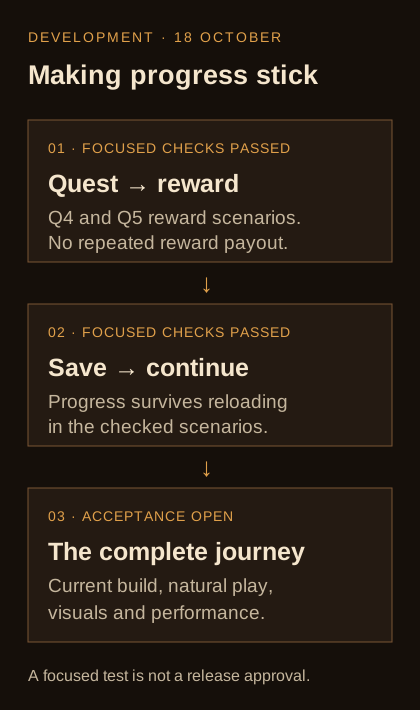
Focused automated runs now cover the fourth story quest through its reward and a subsequent reload. Another run covers the fifth quest, its boss loot, reward and saved progression. Those checks also verify that returning to claim a reward again does not pay it twice.
This is progress within specific saved-world scenarios. It does not establish a fresh, unassisted journey through every quest or across multiple world seeds. The route work also includes corrections to the test player's planning around buildings that appear as the world streams in; that is not a claim that every settlement obstacle has been removed from the game.
The completed sixth-quest checkpoint has a separate reload check too: progression, inventory and throne rank survive saving and loading, and another turn-in does not pay twice. This uses a historical completed save; it does not rerun the current throne fight or prove today's full Q6 reward journey. An older world-recipe compatibility problem that moved a saved city structure has also received a versioned source fix and a focused reload check. Those checks do not promise automatic migration for every intermediate development save.
The wider goal stays the same: arrive, explore, make progress, save and continue without losing what the journey gave you.
Two kinds of space beneath the island
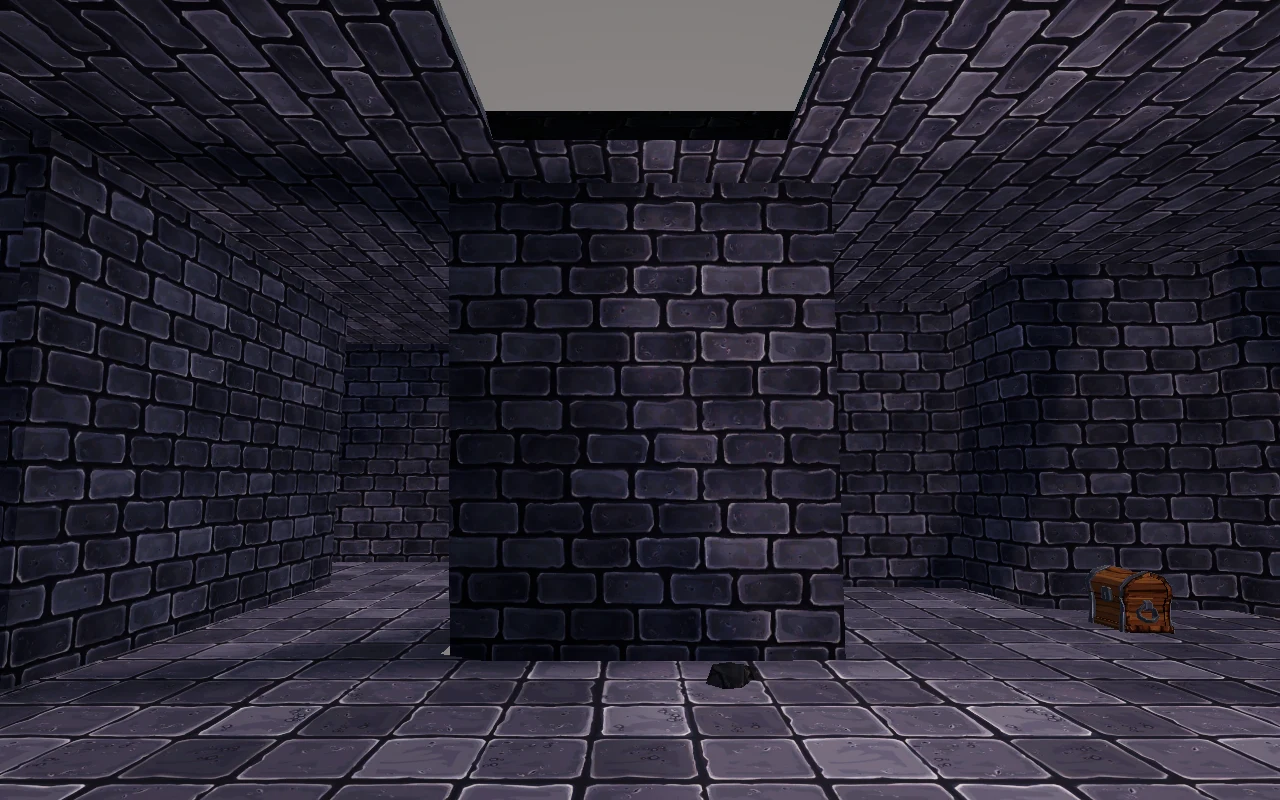
The cave and dungeon generators are developing different identities. Caves retain irregular outlines and an open upper silhouette. Dungeons use more deliberate corridors, junctions, side alcoves and routes that connect back into the layout.
Functional checks now cover underground entry, return, loot and the release of the interior instance across the forest, winter and desert environments. Gatherable stone and supply chests have persistent save identities; dungeon chests sit in connected side alcoves. Separate checks cover resources and chests through saving and reloading.
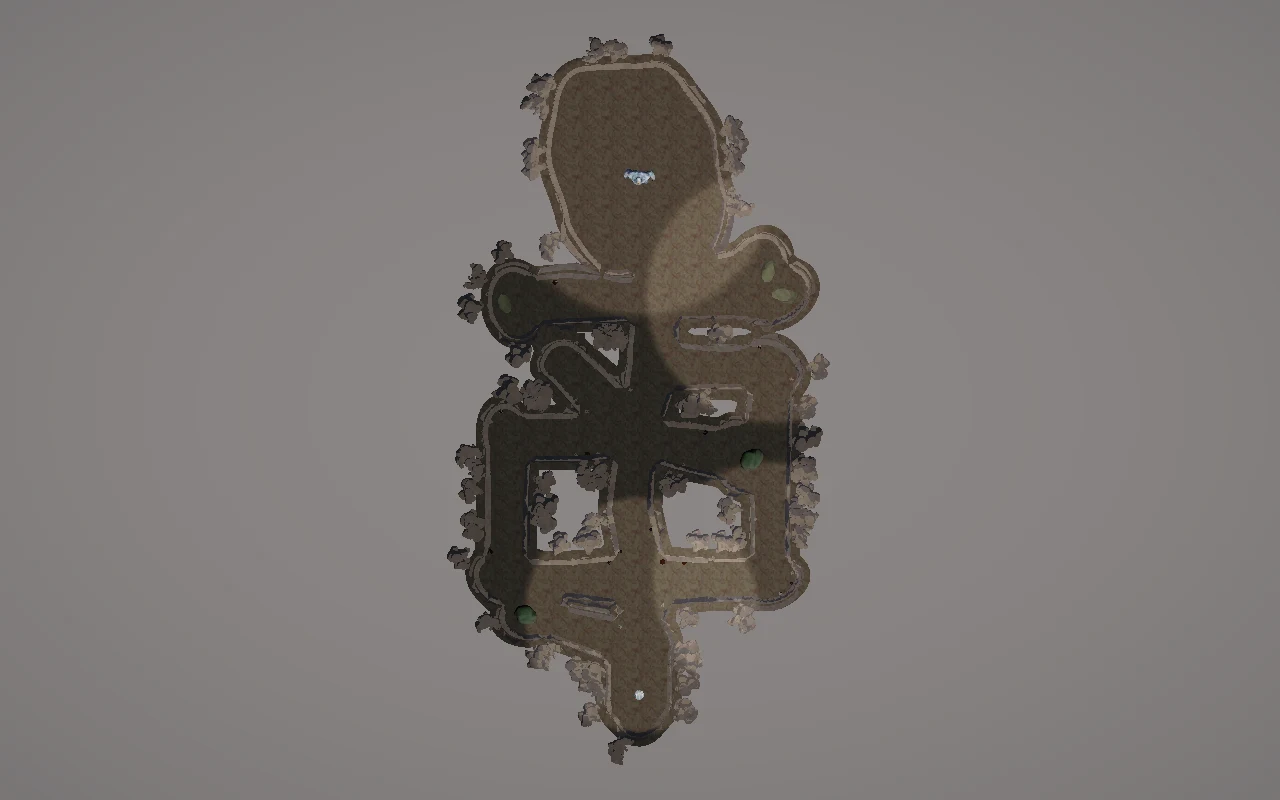
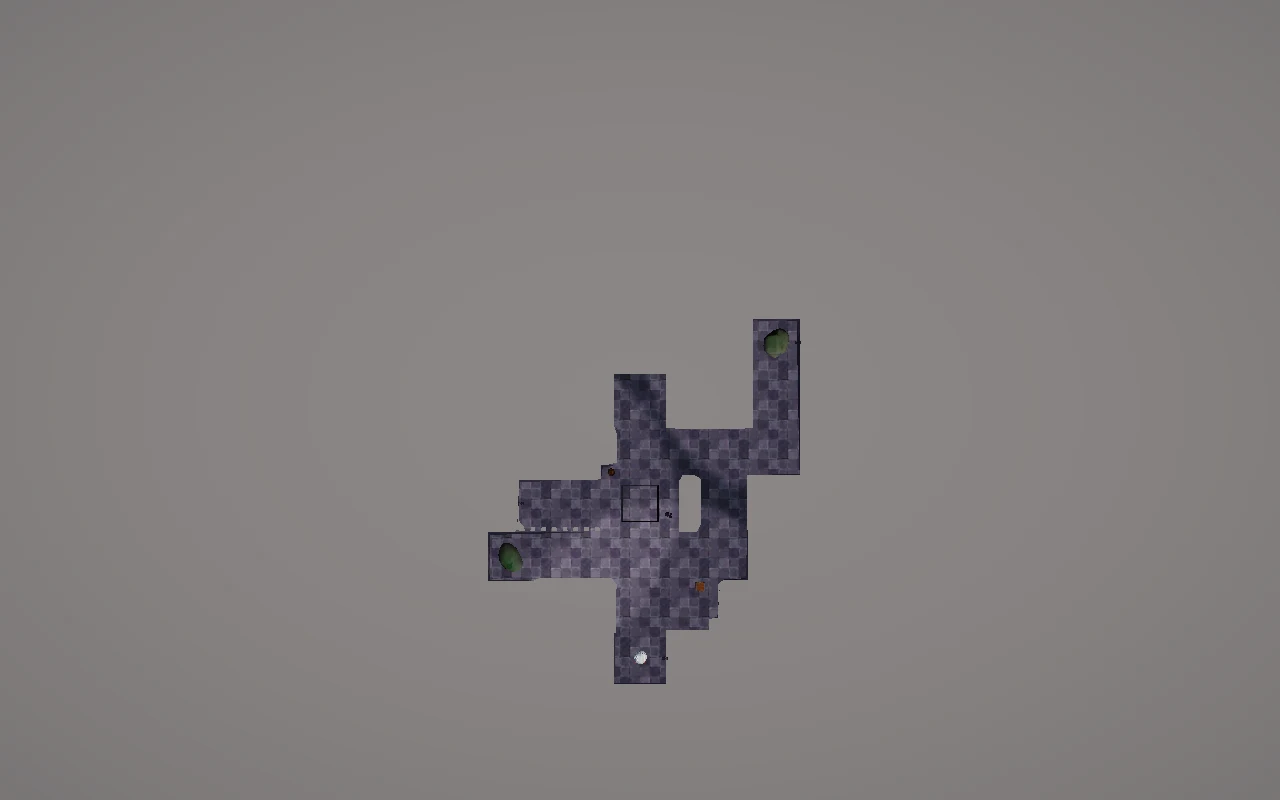
Visual work is further behind the functional checks. The current corridor captures still expose wall panels and dark seams, and some boundary rocks are hidden by the visual walls. A newer modular structure path uses authored floor, wall and corner pieces while retaining the collision contract, but its builder, gameplay and visual checks are still pending. The current dungeon also lacks a genuine stepped change in elevation.
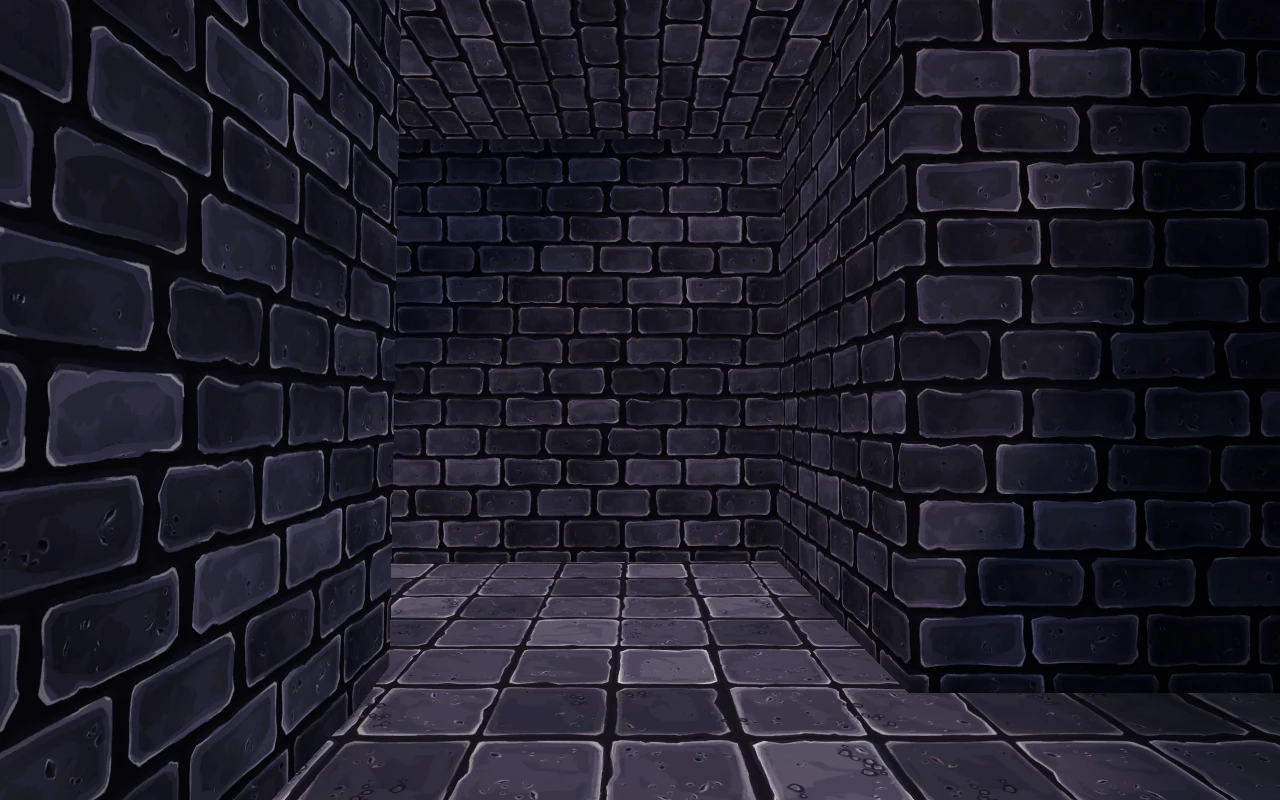
That difference matters. A connected floor plan and a successful return to the overworld are useful foundations. They do not by themselves make an underground space convincing to explore.
Less friction in the everyday actions
Several smaller systems have moved through source changes and focused checks: dragging a bag onto an available bag slot, keeping the hide-helmet choice consistent in portraits, remembering the optional chat setting and making save-slot deletion preserve neighbouring saves.
Travellers have received attention too. Resting and returning from a suspended interior visit should not immediately make a moving character look stuck to the simulation. Regression work now resets the relevant progress timing at those transitions. Natural travel and the complete player experience remain separate checks.
Water traversal has a more specific piece of evidence: a focused run crosses a ford with the normal character motor, then saves and reloads on dry ground without losing the saved position. It is one tested crossing, not a blanket approval of every river.
The interface is still being actively revised from direct feedback. The current direction includes an icon-led skill tree with a separate detail area, a clearer split inventory with a compact bag strip, and quieter crafting and journal typography. Earlier UI checks do not sign off these newer changes. We will show the revised windows once there are current, representative captures to judge.
Movement, water and finding what fell
Ocean entry received a concrete fix: a character arriving below the narrow surface band could previously remain on the seabed without entering the swimming state. Focused tests now use the real motor for shore entry, swimming progress and return to dry ground, alongside checks for diving and water blocked by solid geometry. This complements the tested ford; it is not approval of every coastline or seed.
Movement work addresses turning without making progress, route handling around streamed obstacles, slope boundaries, NPC conversations and wave enemies reaching their targets. Wolf animation was checked against actual movement rather than animation alone. Targeted motor and navigation regressions pass; natural travel and human animation review remain open. Separate city, bandit-camp and ash-camp approach checks provide evidence for selected routes and saves, rather than an unrestricted world-traversal guarantee. A focused safe-zone guard check also covers defence, conversation interruption and persisted death state; the complete pursuit experience still needs player review.
Harvested item icons now fly towards the character only for quantities actually accepted by automatic pickup. Overflow remains in its container. Filled player, death, overflow and enemy bags gain a diamond and ground ring, tested near and far by day and night; empty bags and chests are excluded, and walls still occlude the marker. Ability hints display the selected ability's real cost, while the existing gain feed follows inventory changes. These are source and focused presentation checks, with native input and wider biome readability still to review.
Small finds have progressed beyond a single pickup: branches, stones, berries, fibres and flowers now have representative placement, pickup, save/reload and regrowth checks across three biomes and three seeds. Separate start-area counts exceed ten planned finds per kind within 100 metres on the checked seeds. That does not guarantee a reachable find every five metres. Harvest remnants have their own restore checks: one final yield, then visible decoration with no harvesting prompt.
Night, atmosphere and the next shared build
Combat work includes correcting difficulty scaling for wolf attacks. Focused Survivor duels now show an ordinary solo wolf as an easier encounter; packs and alphas remain a separate balance question. Basic staff attacks can fire at zero mana while a special ability is refused until its cost is available. Camera framing has been adjusted to place the character lower and aim ahead, and modal-window checks prevent world combat feedback and hotbar input from interfering with open panels. These targeted checks still need native play, sound and visual review.
Night-time population work now demonstrates a higher active enemy budget in a focused test, while preserving the safe-zone exclusion in that scenario. How that pressure feels during actual play still needs review. Weather and night presentation also need to be judged together with visibility, navigation and performance in the player build.
Rain and fog are atmospheric, without new gameplay penalties. Rain's water-query integration has focused tests; the current combined lighting, water readability and performance still need review. Start-area population checks distinguish allowed wildlife from anchored hostile encounters: no free-roaming enemy groups were found in the checked inner rings, but camps, swamp nests and scar encounters remain deliberately present. A desert bounty now checks that its target site exists before being offered; that closes a source-level impossible-quest edge rather than proving every quest on every seed.
Other changes span the whole session: a text-list main menu over a live 3D scene; save tiles with metadata and hold-to-delete protection; a skippable introduction alongside world loading; gameplay explanations and comfort settings; instant workbench quantities and asynchronous processing; tap-to-take and hold-to-select loot; manual respawn with death cause and bed priority; hostile creature diamonds; building unlock notices; and the Map, Quests and Knowledge journal with compass navigation. Source and focused tests exist for these slices. The latest inventory, skill-tree and journal proportions remain a newer revision requiring their own current checks. The wiki explains the individual mechanics and the beta verification panel separates implementation from acceptance.
Shared main integration has since rebuilt content, world, session and bigworld inputs. Content validation and focused generated-snapshot checks passed with unchanged build inputs. That is an editor integration checkpoint: no new standalone executable or Steam release is established by it. Our next useful milestone is the player build that brings these changes together, followed by underground presentation, interface proportions, natural progression, save continuity and frame-time review in the same experience. Multi-seed and target-hardware acceptance remain open.
This expanded checkpoint covers the development areas recorded in the shared task list and the separate swamp and environment completion reports reviewed on 18 October. It groups related fixes rather than publishing every internal test or task ID. Planned work, older evidence and current player acceptance remain distinct; the volcano, additional swamp story and a complete current Q1–Q6 journey are not being presented as delivered.
We have also simplified the way we organise that work: Claude and Codex now use one shared task document, with evidence and remaining acceptance recorded beside each item. The attempted automatic coordination services are switched off. That changes how we manage development; it is not a gameplay feature or a release milestone.
The beta remains in development. No release date or Steam availability is being announced here. The roadmap records the larger goals; these updates show the smaller pieces becoming more dependable on the way there.